In an era saturated with quick-fix diets and calorie-counting apps, people often reduce nutrition to basic arithmetic: calories in versus calories out. Yet medical experts argue this surface-level view overlooks nutrition’s fundamental role in cellular function, physiological resilience, and long-term healthspan.
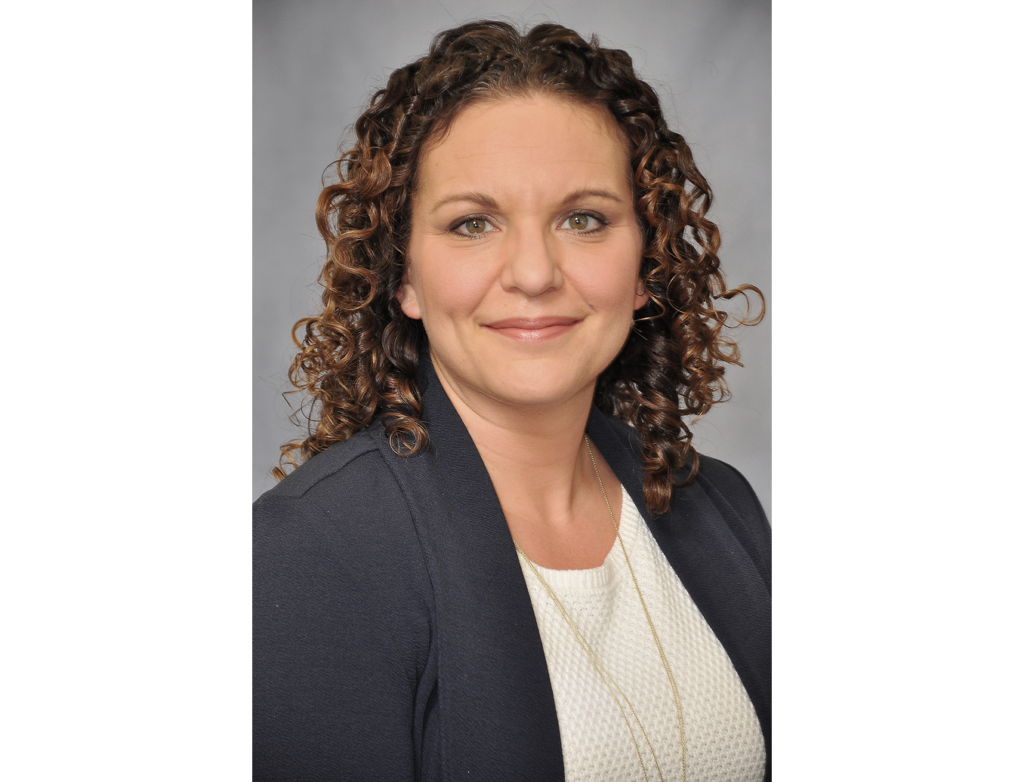
To understand why generic meal plans consistently fail, we spoke with Jessica Tosto, who brings over 20 years of clinical experience in pediatric critical care, congenital heart disease, and advanced nutrition support. Currently the Department Chair and Clinical Associate Professor in the MS in Nutrition and Dietetics program at Pace University and a member of Kilo’s Medical Advisory Board, she offers a deep, evidence-based perspective on modern metabolic health.
The Flaw of “Caloric Math”
According to Tosto, when nutrition is viewed purely through the lens of calories, you lose sight of food’s quality and systemic impact. In clinical practice, nutrition is much more targeted.
“Calories are part of the equation, but they tell us very little about the quality or function of the nutrition,” explains Jessica Tosto. “Two diets can provide the same number of calories and have very different amounts of protein, fiber, essential fatty acids, vitamins and minerals, plus very different effects on blood glucose, satiety, muscle maintenance and overall health.”
Clinical dietitians look at a person’s medical history, medications, lab values, body composition, activity level, gastrointestinal function, and what is happening physiologically at that particular point in time.
“Someone recovering from critical illness has very different needs from someone trying to improve cardiovascular risk or lose weight while preserving muscle. That’s why I think of nutrition as an intervention, not simply fuel. The amount matters, but so does the composition, timing, delivery, and the way we monitor the response,” Tosto notes.
Protecting Lean Tissue over Scale Weight
Focusing solely on scale weight when facing chronic illness, metabolic changes, or rapid weight loss can be risky, as it may lead to losing essential lean muscle mass. Preserving this tissue is crucial for physical strength, mobility, and overall resilience.
“Protein is certainly a major part of this strategy, but it isn’t as simple as telling everyone to eat more protein,” says Tosto. “Needs have to be individualized based on age, medical condition, kidney and liver function, activity level, and the degree of metabolic stress. We also have to make sure the person is getting enough overall nutrition, fluids, and micronutrients and can actually tolerate the plan.”
She adds that physical stimulus is equally critical: “When appropriate, resistance exercise is also an important part of the strategy because it provides the stimulus the body needs to preserve muscle, particularly during weight loss or periods of illness. So rather than focusing only on weight loss or calorie reduction, I would look at the quality of that weight change, nutritional adequacy, physical function and how the person is feeling and functioning overall.”
Early Metabolic Foundations Impact Adult Healthspan
Tosto’s specialized background in pediatric critical care and congenital heart disease also offers valuable insights into how early nutrition influences long-term metabolic health in vulnerable young populations.
“Working in pediatric critical care really changes the way you think about nutrition because children are not simply smaller adults,” Tosto reflects. “They are trying to grow and develop while also dealing with significant medical stress. Nutrition can affect growth, development, healing, and the ability to withstand and recover from illness, so you become very aware of how important the interventions you make are.”
This perspective reinforces that preventative care should begin long before clinical biomarkers flag a disease state. “That doesn’t mean our health is predetermined in childhood. Genetics, environment, lifestyle and healthcare across the lifespan all matter. But it reinforces the idea that prevention should begin much earlier than the point when someone’s blood pressure, blood glucose or cholesterol becomes abnormal,” says Tosto.
Closing the Gap Between Clinical Science and Daily Reality
Despite widespread access to health information, a substantial gap remains between clinical knowledge and everyday practice. The obstacle is rarely a lack of basic awareness, but rather the practical complexity of sustainable lifestyle execution.
“There is definitely a gap, but I don’t think it exists simply because people don’t know enough about nutrition,” Tosto points out. “Most people already know vegetables are good for them. They know they probably shouldn’t live on highly processed foods. The harder question is how to translate that knowledge into something realistic on a Tuesday night when you are busy, tired, feeding a family, and working within a budget.”
Consumers are also surrounded by conflicting information, from social media trends, supplements, elimination diets, and very absolute messages about foods being either good or bad. But nutrition science is rarely black and white.
“We need to get better at translating the science into practical decisions, lifestyle and behavior modifications people can actually use. The best recommendation in the world isn’t very useful if someone can’t realistically put it into practice,” Tosto explains.
The Future of Nutrition
Connecting clinical nutrition science with daily habits calls for tools that easily blend into everyday life. However, relying on traditional manual logging can ultimately lead to burnout.
“One of the challenges with traditional nutrition tracking is that it can be very time- and labor-intensive,” Tosto clarifies. “Asking someone to manually record everything they eat creates a lot of work for the individual. Most people can do that for a few days, maybe a few weeks, but it’s hard to sustain long term.”
Digital tools can reduce some of this burden and “if we can responsibly bring together information about dietary intake, activity, weight trends, sleep and, when clinically appropriate, measures such as glucose or body composition, we can start looking for patterns without requiring someone to document every detail of their day,” says Tosto.
However, technology alone is incomplete without clinical context. “That doesn’t mean more data is always better, and it doesn’t mean an algorithm should replace clinical judgment. Data still needs context,” Tosto notes. “To me, the real opportunity is combining the two: technology can make tracking easier, identify meaningful patterns, and provide timely feedback, while clinical expertise helps determine which information actually matters and what to do with it. That creates a much more realistic feedback loop where you can assess, intervene, monitor, and adjust regularly, rather than handing someone a fixed meal plan and expecting them to follow it indefinitely.”